#Diagnostics & troubleshooting
Engine coolant over temperature warning: Causes & what to do


TL;DR: Engine coolant over temperature means your engine is overheating and it’s not safe to continue driving. Ease off the gas pedal, turn off the A/C and look for a safe space to pull over. Turn the engine off and avoid opening the hood while it’s still hot. Once the car cools off, top up the coolant level if low or call for roadside assistance to tow your car to a repair shop for inspection.
If your engine coolant over temperature light comes on, it means your engine is too hot to operate. This guide explains what the warning means, the exact steps to take when it appears, and common issues that cause it.

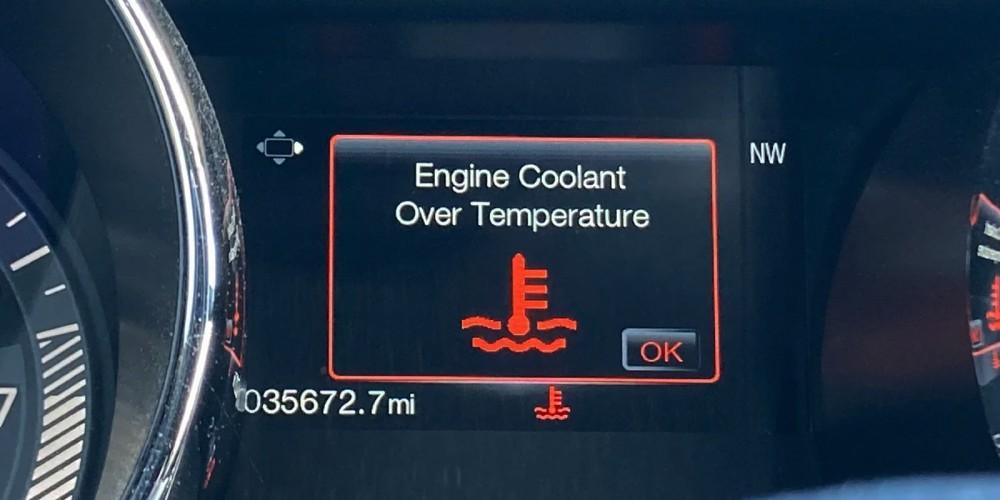
What to do when engine coolant over temperature light is on?
There are two potential causes for engine overheating: aggressive driving styles or technical faults.
In the first case scenario, it’s enough to let off the throttle (gas pedal) and allow the car to roll without putting much load on the engine. Turn off the A/C to reduce stress on the vehicle too.
If the former method doesn't work or you’re not speeding, it may indicate a serious problem – find a suitable location to pull over and turn off the engine. Continuing to drive and raising the engine temperature even more may cause serious damage (such as blown gaskets or warped cylinder head) to your vehicle.
It is unlikely you'll be able to do field repairs that will allow you to continue driving your vehicle freely. The safest option is to call a tow truck and have your vehicle taken to the nearest repair shop to avoid further damage.
Pro tip: As a temporary measure, try turning on the interior heating to full blast as you look for a place to pull over. The extra airflow through the cabin radiator can help the engine cool down more efficiently.
Is it safe to drive with engine coolant over temperature?
Generally, no. It's safest to get your car towed to a repair shop to avoid serious vehicle damage.
How to fix engine coolant over temperature?
Pull over to a safe location and let the engine cool for at least 30 minutes or more. Opening the car hood too soon can release hot steam or liquid, which may cause severe burns. Make sure the engine temperature gauge settles before proceeding.
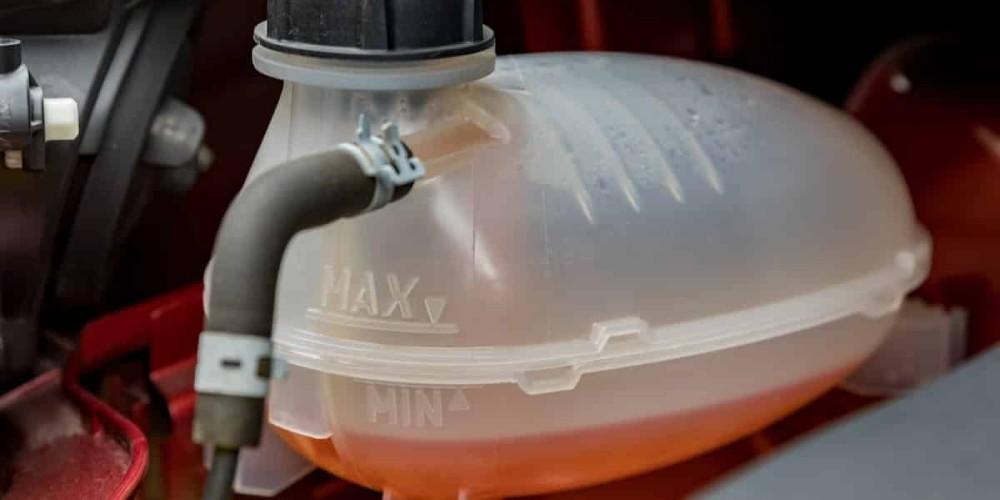
If you’re confident working on cars, carefully check the coolant level in the reservoir once the engine has cooled. If it’s low, top it off with the correct type of coolant.
Watch for wet spots or puddles under and around the vehicle, as these can indicate a coolant leak. This may also mean other parts of the system have been damaged.
If you notice a leak or if the problem continues even after topping off the coolant, have your vehicle towed and inspected by a professional mechanic. A faulty thermostat, radiator fan malfunction, water pump failure, or a blockage in the cooling system could be the reason, which may require bleeding or replacement.
What are the signs of an overheating engine?
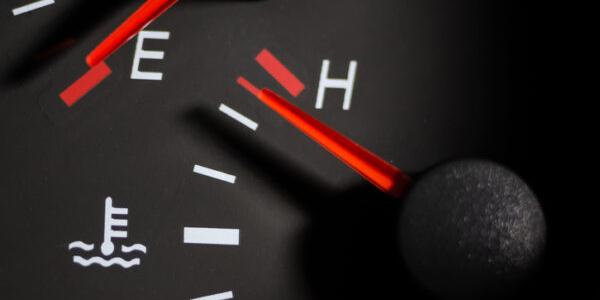
The red engine temperature warning light on a dashboard is the easiest way to spot an overheating engine. However, the engine temperature gauge can give you clues about rising temperatures even sooner.
A normal engine temperature varies from 70°C to 105°C (160°F to 221°F). A wider range than that is indicated in your engine temperature gauge, even though it’s usually only separated into C (stands for “cold”) and H (stands for “hot”). Your engine temperature shouldn't reach H. The engine coolant temperature light should be your cue to pull over as soon as possible.
Besides the engine coolant over temperature warning light and the dashboard gauge, there may also be other symptoms:
- Steam (which may look like smoke) coming out of the engine compartment. If your engine is overheating, that may cause the coolant to boil and escape as vapor through the radiator or overflow tank.
- Unusual smells. A boiling coolant may give a mixed sense of hot, sweet, and burning smells.
- Thumping noises. In some cases, the boiling coolant will create bubbles that will cause various noises in the cooling system.
- Reduced engine power. Sometimes, the vehicle may activate the limp mode to protect itself from more severe damage.
All these signs, along with the engine temperature warning light, indicate that you need to address major issues as soon as possible.
As we said, you should pull over as soon as possible to at least let the car engine dissipate the excess heat. Then, call for roadside assistance to get you to the repair shop.
Reasons why engines overheat
When your car is running hot, it could be caused by many different things. But most of the time, they're not too complicated or expensive to fix – assuming you haven’t caused any additional damage to your vehicle’s engine.
Low coolant level or a coolant leak
If the cause of engine overheating is a low coolant level, that’s the best-case scenario. Simply topping off the coolant will resolve the issue. In the future, remember to check the coolant levels regularly, and such issues will be easily avoided.
Coolant leaks, however, can be a sign of bigger problems because different components might be behind them. While it’s unlikely that you’ll have to replace the entire cooling system, parts such as the radiator can be quite costly.
Faulty thermostat
A faulty thermostat might not let enough coolant flow. This may disrupt the engine's ability to regulate temperature.
Malfunctioning thermostats can cause two types of issues. If it is stuck closed, the temperature rises quickly and falls slowly. If it gets stuck in an open state, the engine will have trouble maintaining proper operating temperature.
Replacing a thermostat is not a big deal as long as you address the issue quickly. They’re relatively affordable compared to other parts.
Radiator issues
Radiators can cause issues in several ways – most often through a malfunctioning radiator fan or clogged pipes. Both of these cause problems in dissipating heat, either by restricting coolant or air flow.
In cases of a dirty or clogged radiator, flushing and cleaning out the radiator pipes may resolve the issue and is a cheap fix. Replacing the fan or the entire radiator is more difficult and expensive.
Finally, a faulty radiator cap may be the culprit as well. It’s intended to maintain proper pressure in the cooling system and engine block.
If the radiator cap is malfunctioning, pressure levels could drop to the point where the coolant boils at lower temperatures than intended. Luckily, they are relatively easy and inexpensive to replace.
Faulty water pump
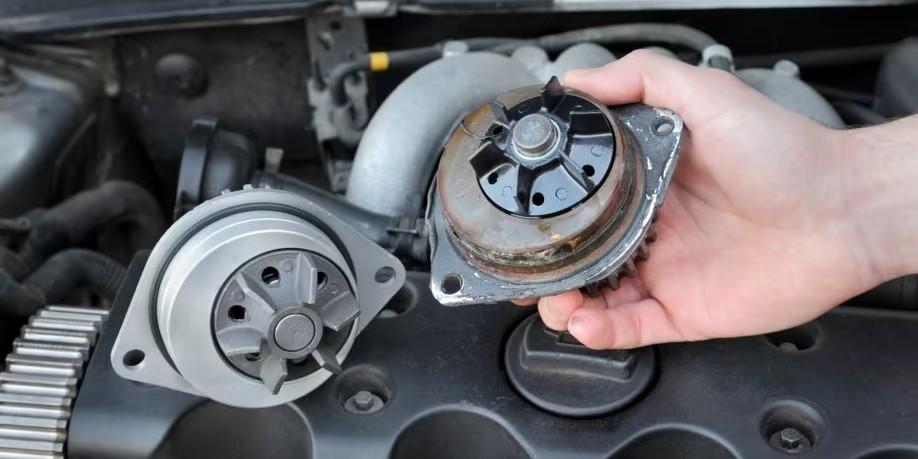
A water pump manages the circulating coolant to absorb the heat from the car’s engine. As with many of the other causes, a malfunctioning water pump may restrict the proper flow of coolant.
Regularly inspecting and maintaining your water pump can help you avoid expensive replacements down the line.

Trapped air in cooling system
Air bubbles in the cooling system can cause inefficient engine cooling. This can occur due to incomplete radiator fill-up or blocked coolant passages.
Depending on the malfunctioning part, there may be many potential fixes to the problem. A radiator bleed, however, is a simple fix that could resolve the issue entirely.
High ambient temperature
While high ambient temperature typically doesn't increase engine temperature alone, it can make other cooling system issues worse.
Leaking head gasket
The head gasket prevents engine oil and coolant from mixing. A damaged one may fail to prevent such mixture or introduce gas from the cylinder into the cooling system. If the pressure in the cooling system drops, it can lower the coolant boiling point.
A common cause of head gasket leaks is a warped cylinder head due to the engine's previous exposure to high temperatures.
Early detection of cooling system issues – and preventing overheating – can save you a lot of money. Most problems can be fixed for a fraction of the cost. But a damaged head gasket or cylinder head can be extremely expensive, with labor alone costing several thousands.
How to prevent engine coolant temperature overheating?
To help prevent engine coolant overheating, make sure your vehicle’s cooling system is regularly maintained – check coolant levels, inspect hoses for leaks or cracks, and ensure the radiator and fans are in good condition.
Driving habits also play a role, so avoid heavy loads or prolonged idling in hot weather when possible.
With OBDeleven, you can take prevention a step further by keeping track of your coolant temperature on your smartphone or Apple Carplay/Android Auto. Most cars only show H (high) or C (cold) in the gauge, so this is especially useful for precise temperature monitoring.
Disclaimer: Advice, how-to guides, and car care tips on our blog are intended as helpful resources for general maintenance and repairs. While we strive for accuracy, the information is provided to the best of our knowledge and should be used at your own discretion and risk.
Always refer to your vehicle's owner's manual or consult a certified mechanic for specific repair details and safety procedures.
Always refer to your vehicle's owner's manual or consult a certified mechanic for specific repair details and safety procedures.
FAQ


OBDeleven 3 PRO Pack + 100 Crediti
Include il dispositivo OBDeleven 3, il piano PRO (12 mesi) e 100 Crediti per sbloccare funzionalità dell’auto con One-Click Apps
€139.99