#Diagnostics & troubleshooting
P0521 – Engine Oil Pressure Sensor/Switch Range/Performance


Technical definition
Engine Oil Pressure Sensor/Switch Range/Performance
What does P0521 mean?
The P0521 code means there’s a problem with the engine oil pressure sensor.
This sensor measures oil pressure to keep the engine properly lubricated. When the engine control module (ECU) sees that pressure is too high, too low, or fluctuating beyond normal limits, this fault code is triggered.
However, the code doesn’t always mean low oil pressure itself, but rather that the sensor’s signal isn’t behaving as it should and requires further troubleshooting.
What causes the fault code P0521 to come on?
Most of the time, the P0521 fault code appears due to a faulty oil pressure sensor or dirty engine oil.
However, other, more serious things could be causing it:
- Wiring issues – possible, but not as frequent. Typically, the issue is caused by corrosion, a loose connector, or a short circuit to ground.
- Low oil pressure (from internal engine wear or blockage) – serious but uncommon.
- Bad oil pump – rarest cause, only if all else checks out and pressure is truly low.
Can I drive with code P0521?
You shouldn’t drive when the fault code P0521 is on.
Here’s why: the P0521 code may mean your oil pressure sensor is faulty, or it could mean you actually have low oil pressure. If either is true, continuing to drive could cause severe damage to your engine.
If you’re on the road and the engine runs rough, makes noise, or the oil light stays on, pull over and tow the car to get it serviced.
Further reading: By the way, we have a handy guide to all dashboard warning lights you can take a look at. It breaks down what each symbol means and what you should do if one pops up while you’re driving.
How do I fix error code P0521?
Here are some you can try testing or replacing to resolve the fault code P0521 and problems associated with it:
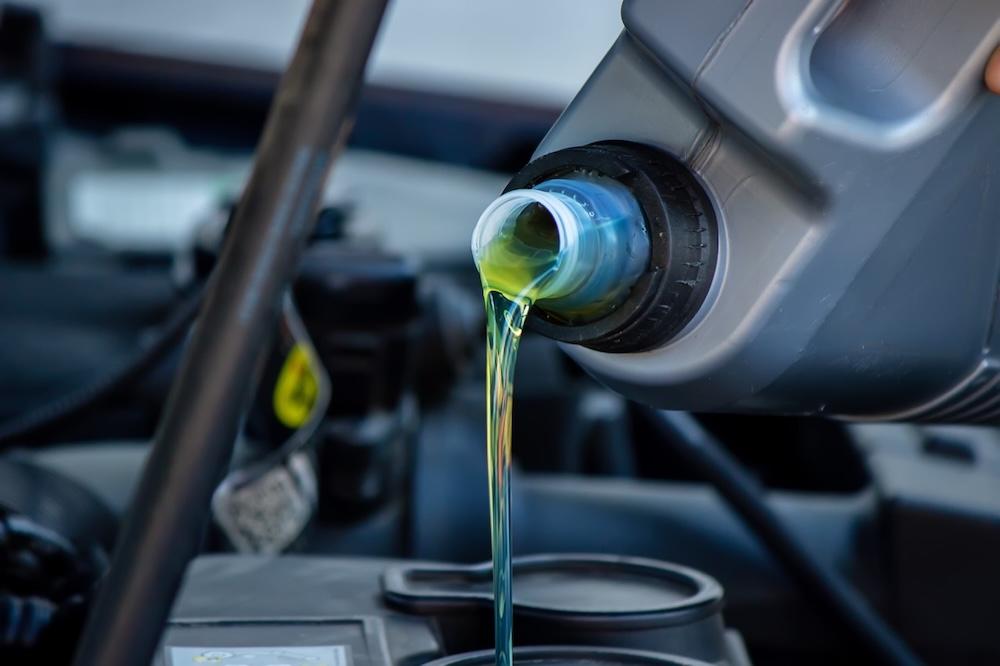
Check your oil level and condition
Ensure it’s neither too low nor filthy. Contaminated or low oil can easily trigger this code.
Important note: If you’ve been driving, wait for the engine to cool down before checking the oil. Hot engine parts and oil can cause burns, and you’ll get a more accurate reading once the oil has drained back into the pan.

Do an oil pressure test
If the oil looks fine, determine whether the issue is low oil pressure, a bad sensor, or a wiring problem. To confirm, do an oil pressure test:
- Remove the oil pressure sensor.
- Install a mechanical oil pressure gauge.
- Start the engine and check the reading. Each engine has a specific rated pressure – look it up and compare your results.
If the pressure is normal, the issue is likely in the sensor or wiring.
Replace the oil pressure sensor or oil filter
If the problem persists, replace the basics. Both the oil pressure sensor and the oil filter are inexpensive. And they often fail over time.
But if that still doesn’t fix the off oil pressure reading, check the wiring next. Look for broken wires, shorts, or corroded connectors that could be distorting the sensor’s signal.
Check the oil pump
In rarer cases, there might be something wrong with the oil pump. This usually occurs only if the engine is clean (free from sludge or blockages), and the oil pressure remains low.
Replacing an oil pump isn’t a simple DIY project – it can take 2 to 8 hours or more of labor. Hence, it may be a good idea to take it to the shop, unless you’re an experienced professional.
Do I need to reset my oil pressure sensor to fix P0521?
Not necessarily. There’s no manual reset for the sensor itself – just clear the fault once the cause is resolved.
The P0521 code indicates that the engine oil pressure sensor or its signal is behaving abnormally – therefore, the source of the issue needs to be identified and corrected.
Once that’s done, the engine control unit (ECU) will usually clear the code automatically after a few drive cycles. If it doesn’t, you can manually clear it using an OBD scanner like OBDeleven 3.
Can P0521 cause a misfire?
Not directly – but it can lead to conditions that cause misfires if left unchecked.
While P0521 itself doesn’t trigger misfires, the underlying issue (like low oil pressure, sludge buildup, or poor oil flow) can.
That’s because if the oil pressure drops too low, certain engine parts – like camshaft phasers, lifters, or bearings – may not get proper lubrication. That can cause rough idling, ticking noises, or even misfires in severe cases.
If you’re seeing both P0521 and misfire codes (such as P0300), it’s a sign to check your oil level, oil condition, and actual pressure immediately.
Disclaimer: Advice, how-to guides, and car care tips on our blog are intended as helpful resources for general maintenance and repairs. While we strive for accuracy, the information is provided to the best of our knowledge and should be used at your own discretion and risk.
Always refer to your vehicle's owner's manual or consult a certified mechanic for specific repair details and safety procedures.
Always refer to your vehicle's owner's manual or consult a certified mechanic for specific repair details and safety procedures.


OBDeleven 3 PRO Pack + 100 Crediti
Include il dispositivo OBDeleven 3, il piano PRO (12 mesi) e 100 Crediti per sbloccare funzionalità dell’auto con One-Click Apps
€139.99