#Buying a car
Odometer is an internal component that uses a computer chip and magnetic or digital sensor to measure wheel pulses. These are registered by several different components (e.g., the Dashboard Control Unit (DCU), and the data is used to calculate the distance traveled in miles or kilometers.
Odometer tampering can be performed in two different ways, depending on the technical specification of the system.
There’s a simple and consistent reason for odometer fraud – profit. Low odometer mileage indicates that the vehicle is still relatively fresh, will likely require less repairs, and may cost less to insure.
While there’s no foolproof way to spot odometer fraud, there are some indicators that can help you assess the actual mileage.
A used car will have some signs of usage visible on it. Check in on the steering wheel, driver’s seat, pedals, gear shift and other external components. At lower mileages – for example, under 100,000 km (about 62,000 miles) – you generally shouldn’t see severe wear, unless the vehicle was used for ride-hailing or work purposes.
Bringing in someone experienced or or taking the car to get it checked professionally can help you detect odometer fraud. They can run diagnostic tests and uncover tampering in various areas.
So, your odometer fraud investigation leads you to believe the dealership is playing tricks to inflate a used vehicle’s value. What do you do?
Odometer rollback: How to avoid fraud


TL;DR: If you want a quicker way to check a vehicle for fraud, OBDeleven has a dedicated Mileage check feature (for Volkswagen Group vehicles and BMW F and G Series). It pulls mileage from different control units in the car and highlights any suspicious inconsistencies.
Odometer rollback is the fraudulent practice of removing or changing a vehicle’s mileage. It’s often done by disconnecting, resetting, or tampering with the odometer, then clearing or editing the recorded mileage.
And it’s more common than most drivers think. In the United States alone, an estimated 2.14 million vehicles on the road in 2024 may have had their odometers rolled back, according to Carfax.
The good news? There are ways to avoid falling victim to this kind of fraud. In this blog post, we’ll cover what odometer fraud is, how it works, and how to avoid it.
What is a car odometer, and why is accurate mileage important?
Odometer is an internal component that uses a computer chip and magnetic or digital sensor to measure wheel pulses. These are registered by several different components (e.g., the Dashboard Control Unit (DCU), and the data is used to calculate the distance traveled in miles or kilometers.
You usually see calculations like these in your dashboard:

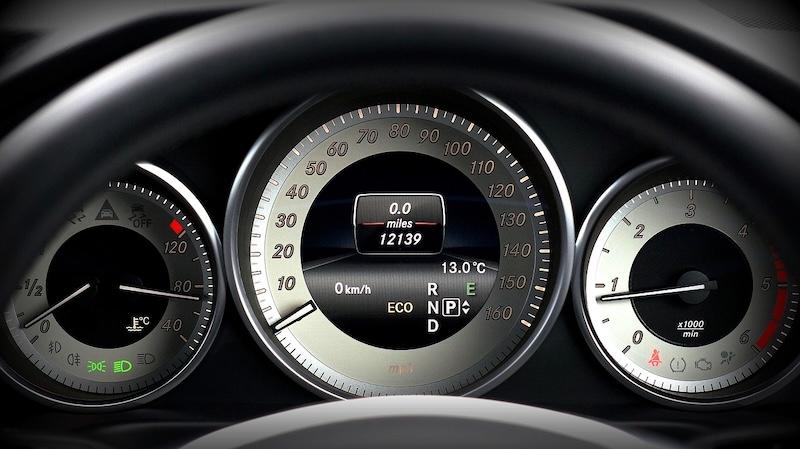
It’s important, because mileage is one of the primary ways to measure wear and tear on a vehicle. Manufacturers also use mileage data to estimate how long major components will stay reliable.
It’s also widely used by insurance companies, as vehicles with larger mileage will require more frequent repairs.
As such, odometers and mileage directly influence car value, insurance costs, and maintenance schedules. No wonder, then, that some people are keen on rolling them back.
How does an odometer rollback work?
Odometer tampering can be performed in two different ways, depending on the technical specification of the system.
Older cars may still have a mechanical odometer, although it’s a swiftly dying breed. They were much easier to tamper with – gears could have been reset with basic disassembly and some mechanical knowledge.
Another old-school trick was to attach a cable from the odometer to a drill. Spinning the drill in the right direction would make the numbers roll back.
Luckily, a digital odometer is harder to manipulate. Software reprogramming, at the very least, is required, and few regular maintenance tools are able to make changes to digital odometers.
Unfortunately, there’s an entire black market for digital odometer rollback, with tools built for that exact purpose.
The catch? Depending on how the process is done, the real mileage may still be stored in the Engine Control Unit (ECU) or other control units. If that data isn’t wiped, mismatched readings between modules can be a strong hint that someone has been tampering with the odometer.
Why do dealers and sellers roll back odometers
There’s a simple and consistent reason for odometer fraud – profit. Low odometer mileage indicates that the vehicle is still relatively fresh, will likely require less repairs, and may cost less to insure.
All that directly converts to a better perceived value. So, while dealers may still be selling a used car, a rolled back odometer lets them sell it faster and for a higher price.
Tampering with a car’s odometer is illegal in many countries and jurisdictions, however, it does not seem to dissuade all dealers.
Unfortunately, odometer fraud is hard to detect and prove, so it’s unlikely to disappear soon. Your best bet is to learn how to spot odometer fraud to avoid getting taken advantage of.
Check for mileage rollback with OBDeleven’s Mileage check
Mileage check is a built-in OBDeleven feature that reads odometer data from several control units in the car and compares them for you. It spots possible mileage rollback in supported Volkswagen Group vehicles and BMW F and G Series models.
But how does it work in practice?
When you connect your OBDeleven 3 and start Mileage check, the app pulls stored mileage values from key modules – for example, the engine, transmission, steering assistance, and others – then lines those readings up side by side.
This matters because scammers often only change the number on the dashboard. If other control units still show higher mileage, those mismatches can be a strong hint that the odometer has been tampered with.
With OBDeleven, you don’t have to dig through each module manually. In the app, you’ll see:
- A color-coded verdict – green if readings look consistent, yellow if something seems off, and red if correction or rollback is likely.
- A short summary explaining whether the mileage appears genuine or possibly corrected.
- Mileage from each control unit in a list, so you can quickly see which module reports a different value than the others.
One more thing to keep in mind – a mismatch doesn’t always mean fraud. It can also happen after a control unit has been replaced or reset. But it’s a clear signal to ask more questions and investigate further before you buy.
Other signs that could indicate odometer fraud
While there’s no foolproof way to spot odometer fraud, there are some indicators that can help you assess the actual mileage.
Physical wear and tear assessment
A used car will have some signs of usage visible on it. Check in on the steering wheel, driver’s seat, pedals, gear shift and other external components. At lower mileages – for example, under 100,000 km (about 62,000 miles) – you generally shouldn’t see severe wear, unless the vehicle was used for ride-hailing or work purposes.
Additionally, check if the car mats or steering wheel cover were replaced. While replacing them just before the sale of a used car may seem like courtesy, it may also be an attempt to hide a vehicle’s mileage.
Vehicle history report
If you want to do your own odometer fraud check, start by requesting a vehicle history report with service and repair records. A lot of these entries include odometer readings.
Here’s what to do with that report:
- Compare odometer readings – check that the mileage in service records steadily increases over time.
- Look for gaps – long periods with no records can be a red flag.
- Check for damage history – some sellers try to hide accident or damage records to boost the car’s value.
Any inconsistencies between the report and the current mileage should make you pause and look closer.
Pro tip: You can check typical mileage, common faults, and potential maintenance needs by a vehicle's make and year with the OBDeleven VIN lookup – simply enter a VIN, and you'll get a detailed, AI-driven report in seconds. Now available for Volkswagen Group and selected BMW and Toyota Group models.
Consult professionals
Bringing in someone experienced or or taking the car to get it checked professionally can help you detect odometer fraud. They can run diagnostic tests and uncover tampering in various areas.
While it will cost you money, it’ll be often significantly less than any maintenance costs you’ll incur later down the road with a used car.
Further reading: Possible red flags or signs of a scam when buying a car
How to check car mileage with OBDeleven manually
OBDeleven Mileage check feature now makes this process much simpler, but you can still check modules manually if you just prefer to or your vehicle is not supported.
OBD tools can help you detect a car’s true mileage as they can retrieve reports from several systems at once. If odometer fraud has been performed, these data points may not match each other properly, indicating that the system has been tampered with.
Here’s how you can do it with OBDeleven:
- Connect the device to the OBD2 port.
- Turn on the device.
- Head over to the Live Data section.

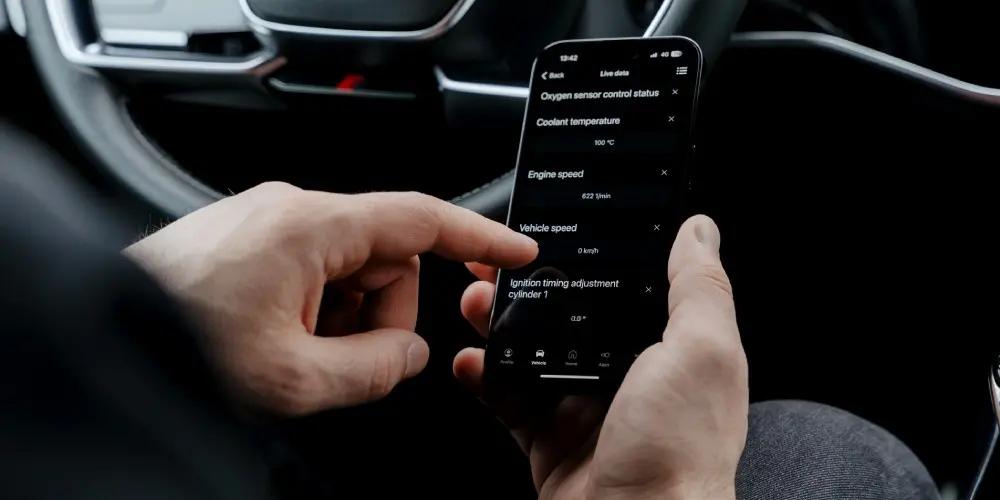
You’ll find odometer readings from various components of the car. The dashboard odometer reading should be the highest, so if they are out of sync, it may indicate tampering.
There’s another trick you can try to verify the mileage of a used vehicle – checking the working hours of the radio. If it’s the original one, it’ll have the amount of hours it was turned on displayed.
Assume that the car was driven for 75% of the time the radio has been turned on. And retrieve the average long-term speed.
Multiply the working radio hours by 0.75 and by the average long-term speed. You will get an estimated mileage.
It’s not a perfect method since it relies on a few assumptions. But if the mileage on the dashboard and your calculations are way out of sync, you may be dealing with a rolled back odometer.
How to report odometer fraud
So, your odometer fraud investigation leads you to believe the dealership is playing tricks to inflate a used vehicle’s value. What do you do?
Since it’s an illegal activity in almost every country, odometer fraud cases should be reported to the authorities. Here’s how:
- United States: Report to National Highway Traffic Safety Administration (NHTSA). They have a dedicated unit investigating odometer fraud cases and will assign criminal penalties accordingly.
- United Kingdom: Report to the Trading Standards office or Action Fraud department. While the departments are not as directly tied to odometer rollback fraud, these are the usual channels.
- European Union: Report to your local police or the National Consumer Protection Authorities. In many EU countries, modifying the miles registered on a vehicle is a criminal offense and can be dealt by the police.
If you live outside of these regions, it’s often best to contact your local police. The officers involved in your complaint will, at the very least, be able to direct you to the appropriate channels.
How to avoid odometer rollback fraud
While you can never be 100% sure a vehicle’s odometer hasn’t been tampered with, you can lower the risk by choosing your dealership carefully.
Licensed car dealers will have significantly stricter guidelines and requirements. They will also be a lot more helpful if you ask for vehicle history information or a test drive.
If a dealer refuses to produce history or is attempting to hide it somehow, you should be suspicious. If there hasn’t been any odometer rollback, there should be no issues in providing such information.
Finally, you can always bring an OBD2 reader with you. A short 5 minute scan could reveal false odometer readings or other forms of tampering. These readers are significantly cheaper than any of the issues that can arise from false vehicle odometer readings.
Further reading: What are possible red flags or signs of a scam when buying a car?
Disclaimer: Advice, how-to guides, and car care tips on our blog are intended as helpful resources for general maintenance and repairs. While we strive for accuracy, the information is provided to the best of our knowledge and should be used at your own discretion and risk.
Always refer to your vehicle's owner's manual or consult a certified mechanic for specific repair details and safety procedures.
Always refer to your vehicle's owner's manual or consult a certified mechanic for specific repair details and safety procedures.


OBDeleven 3 PRO Pack + 100 Crediti
Include il dispositivo OBDeleven 3, il piano PRO (12 mesi) e 100 Crediti per sbloccare funzionalità dell’auto con One-Click Apps
€139.99