#Diagnostics & troubleshooting
What does P0562 mean?
A good analogy is a TV remote. When the batteries start running out, it starts responding sluggishly and then stops working altogether. Your car reacts the same way – because of things like a weak or dead battery, bad alternator, or other problems which we’ll cover more in depth below.
How serious is the P0562?
How to troubleshoot P0562
1. Check battery and alternator voltage
P0562 – System voltage low


Technical definition
System voltage low
What does P0562 mean?
The P0562 fault code signals critically low system voltage in your car, which prevents electronic systems from working properly.
Normally, the voltage should be around 14.1–14.4 volts when the car is idling. If it falls below 10 volts for over a minute while the engine is running, the car’s computer notices this and sets off the P0562 warning.
A good analogy is a TV remote. When the batteries start running out, it starts responding sluggishly and then stops working altogether. Your car reacts the same way – because of things like a weak or dead battery, bad alternator, or other problems which we’ll cover more in depth below.
How serious is the P0562?
This code is a big red flag – you shouldn’t drive your car when this appears. Low voltage can cause critical safety systems to fail without warning. Your ABS brakes, power steering, and lights could stop working at the worst possible moment.
You could lose power steering while turning or suddenly lose engine power, which is very dangerous. The car might stall, and if the battery is weak, you might not be able to restart it. Since the starter needs more than 11 volts, you could get stuck on the side of the road this way.
Common symptoms of P0562
Watch for these warning signs:
- Illuminated check engine light
- Illuminated battery and many other warning lights
- Dimming or flickering dashboard lighting
- Automatic transmission not shifting properly
- Difficulty starting the engine
- Erratic performance of electrical components (e.g., power windows, radio)
Common causes of P0562
Charging system failures
A failing alternator is one of the most common culprits, since it’s responsible for charging your battery while driving. Without a functioning alternator, battery voltage drops rapidly during operation.
Battery issues
Even with a good alternator, an old, worn-out battery might not hold a sufficient charge. Remember that batteries typically last 3-5 years before needing replacement, although proper care can extend it.
Connection problems
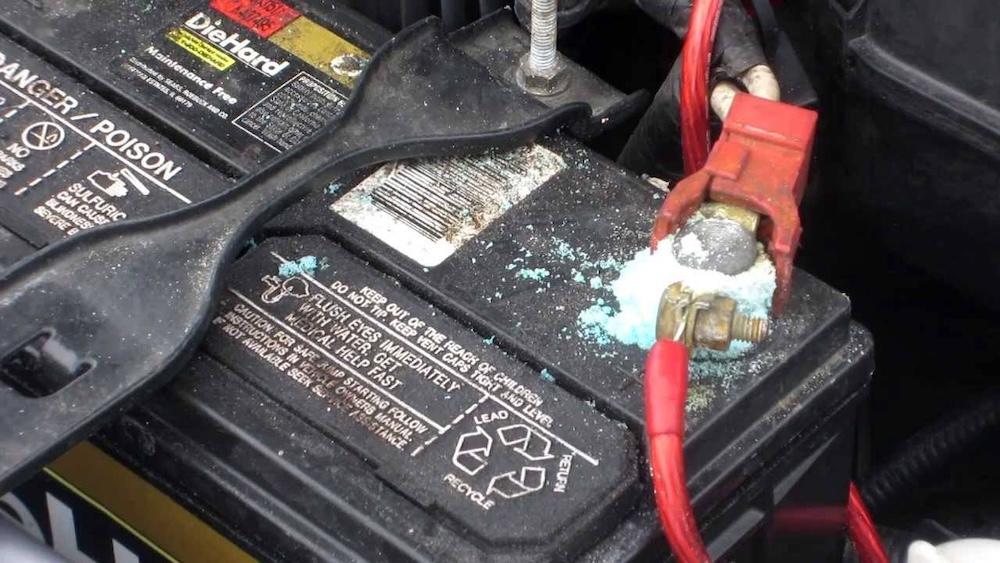
Now, something that is usually easier to fix – loose or dirty battery terminals. They’re often overlooked but can block proper charging and cause electrical issues.
Other possible causes
- Slipping or broken alternator belt
- Parasitic drain depletes the battery when the car is off
- Damaged wiring harness or ground connections
- Faulty voltage regulator
How to troubleshoot P0562
1. Check battery and alternator voltage
Start by testing your battery using a multimeter. You should see 13.5-14.5V with a running engine. But, if the voltage stays below 13V while running, your alternator is most likely not charging properly.
Note: Voltage readings can also vary slightly depending on the battery’s condition, outside temperature, and how many accessories (lights, AC, radio) are running.
2. Inspect battery terminals
Also, look for corrosion (white or greenish powder) on your battery terminals. Such residue prevents proper charging, so clean them with a wire brush (don't forget to disconnect the terminals first for safety) and ensure they're tight.

Source: allstarbatteries.com.au
3. Inspect the alternator
Make sure to also check the alternator wiring for damage and loose connections. Then, examine the alternator belt closely – if it's cracked, stiff, or squeals during startup, replace it with a new one. A worn belt prevents the alternator from generating proper voltage, even when the alternator itself works fine.
4. Replace the battery if needed
Even if your battery isn't the main cause of the P0562 code, consider replacing it anyway. When a battery fully drains, it often suffers permanent damage. A deeply discharged battery rarely recovers to full capacity, even after recharging, and will likely fail again soon.
5. Look for parasitic drains
If your battery keeps dying overnight, something might be draining power while the car is off. This could be as simple as interior lights, an alarm system, or a faulty relay. A professional can use special tools to pinpoint the exact cause.
Disclaimer: Advice, how-to guides, and car care tips on our blog are intended as helpful resources for general maintenance and repairs. While we strive for accuracy, the information is provided to the best of our knowledge and should be used at your own discretion and risk.
Always refer to your vehicle's owner's manual or consult a certified mechanic for specific repair details and safety procedures.


OBDeleven 3 PRO Pack + 100 Credits
Includes OBDeleven 3 device, PRO plan (12-month), and 100 Credits for unlocking car features with One-Click Apps
€139.99